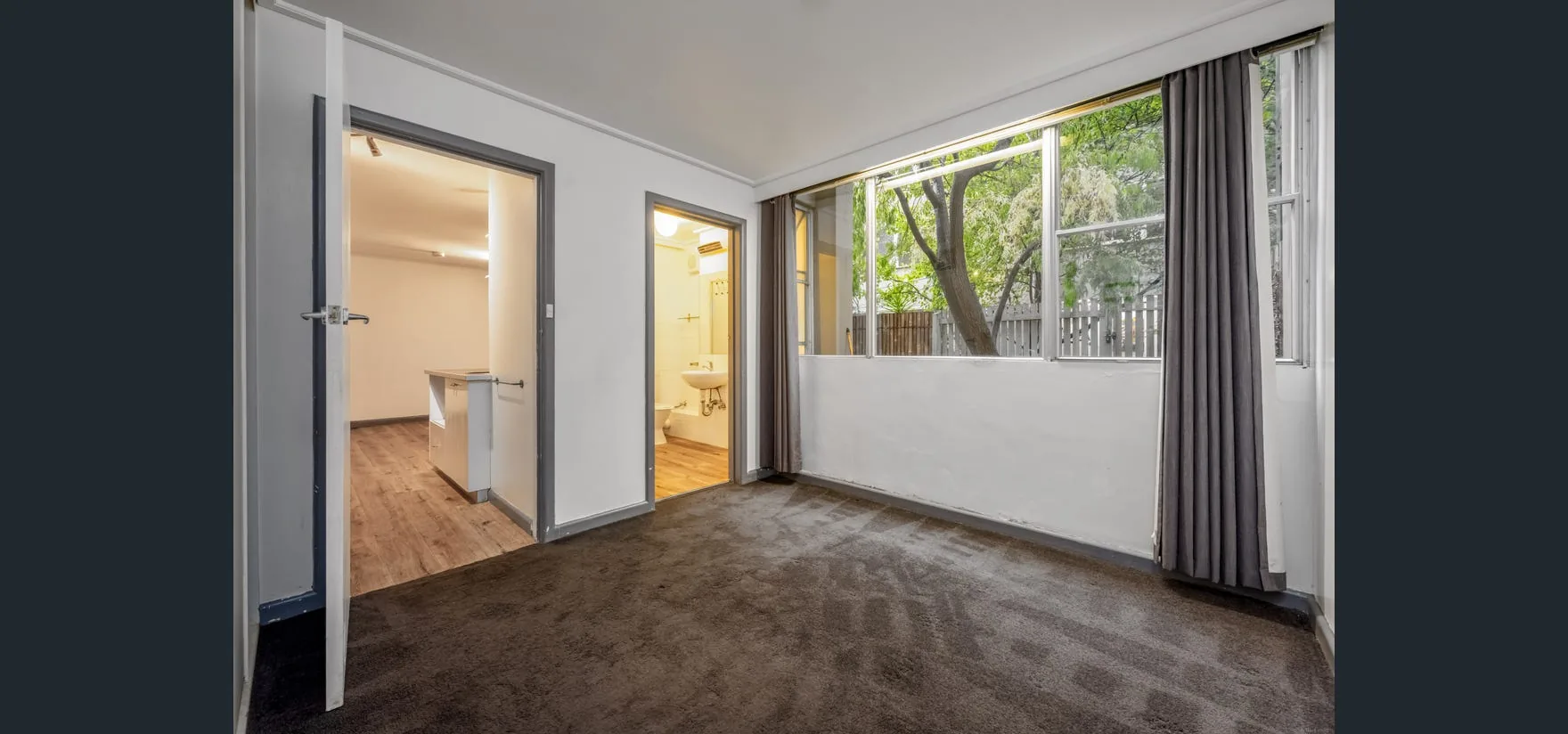

Renovating an apartment in Melbourne is a different exercise from renovating a house. The walls, floors, ceilings, and services that you might assume are yours often are not — at least not entirely. They are common property, governed by the body corporate (called an Owners Corporation in Victoria), and any work that affects them requires approval before it begins. Apartment owners who skip this step learn the consequences after the work is done, and sometimes after the work has to be undone.
Owners Corporation, body corporate, strata
The terminology varies by state and by era. In Victoria, the legal entity is the Owners Corporation (OC), set up under the Owners Corporations Act 2006. "Body corporate" is the older term, still in common use. "Strata" is more often heard in New South Wales but means broadly the same thing. The OC is a body of all lot owners in the building, with a committee that handles day-to-day decisions and rules that govern what individual owners can and cannot do.
What needs OC approval
Anything that affects common property requires the OC's approval before work begins. This typically includes plumbing changes beyond your unit's stop tap; electrical work that affects shared circuits or risers; wet area waterproofing, because the membrane protects the unit below; floor finishes in apartments above ground level, because acoustic transmission is a common-property concern; wall removal, even for non-structural walls, if there is any risk to common services; and window or balcony alterations, which are nearly always common property.
Internal joinery, painting, and superficial finish work usually do not require approval, but the boundary is rarely as obvious as it sounds. When in doubt, ask.
The plans the OC will want to see
A renovation submission to the OC typically requires architectural drawings, a scope of works, contractor details and insurances, and sometimes acoustic and waterproofing reports. For larger works, an engineer's report on structural implications may be required. The OC committee reviews and either approves, requests amendments, or refuses. The process can take four to twelve weeks, depending on the building's rules and how often the committee meets.
Working hours and access
Apartment buildings have rules about when construction can occur. Standard restrictions are weekdays 7 AM to 5 PM, no work on weekends or public holidays — though many buildings allow Saturday work with restrictions. Tradespeople, deliveries, and waste removal must use designated lifts and routes, and bookings are usually required. These restrictions affect both timeline and cost; an apartment renovation typically takes 30–50% longer than the same scope in a freestanding house, simply because the working window is shorter.
The disputes that arise
The most common dispute in apartment renovations is noise — particularly impact noise from drilling, jackhammering, and floor preparation. Neighbours complain to the committee, the committee writes to you, and the project pauses while the dispute is resolved. Avoiding this is largely a matter of communication: notice to neighbours before work begins, restricted noise windows, and transparency about when the worst of the noise will occur. A builder who has done apartment work understands this; one who hasn't will find out the hard way.
Insurance and liability
Damage to common property — a leak that affects a neighbouring unit, water damage from inadequate waterproofing, a cracked tile from a fallen tool — is the renovating owner's liability, not the OC's. Make sure your builder carries adequate public liability insurance and that the OC has acknowledged the work in writing before it begins. Without that documentation, an incident becomes a much harder dispute to resolve.
How Atelier approaches it
We have completed apartment renovations across Melbourne, from CBD towers to inner-suburban walk-ups. Our first step on any apartment project is reviewing the OC rules, the building's renovation guidelines, and the specific approvals required for the work proposed. We submit applications on the client's behalf and engage with the committee directly where helpful. The result is a project that begins, runs, and ends without the OC becoming a problem along the way.
If you are considering an apartment renovation in Melbourne and would like to discuss how to navigate the body corporate process, we would be glad to hear from you.
Ready to Begin?
Share your brief and Rodney will be in contact within one working day.
Begin Enquiry